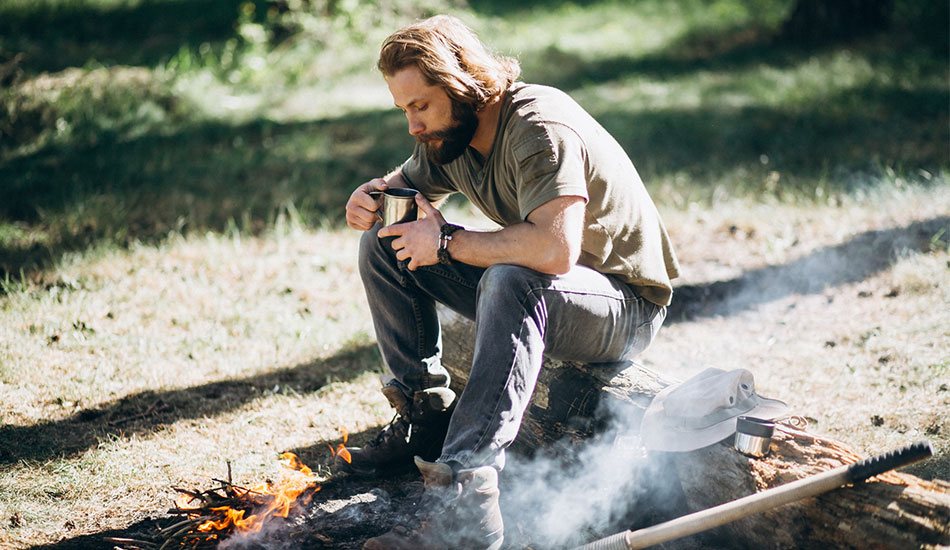
Bushcraft is one of those terms you often hear in outdoor and adventure communities, yet few people truly understand what it really means. For many beginners, it sounds extreme, risky, or something only meant for experts living deep in remote wilderness.
In reality, bushcraft is far more practical, grounded, and accessible than most people imagine. It’s not about pushing limits for the sake of danger, but about learning timeless skills that help you feel confident and capable in nature.
In this guide, you’ll discover what bushcraft really is, how it differs from survival, which skills truly matter, and how you can start practicing bushcraft safely and realistically.
Stay with RizaNature as we explore the wilderness, one skill at a time.
What Does Bushcraft Mean?
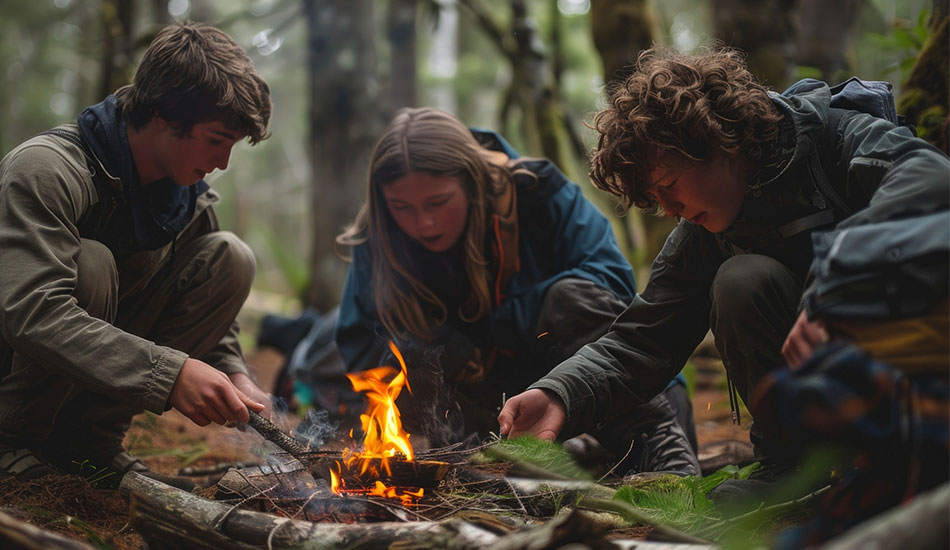
At its core, bushcraft refers to the practical knowledge and hands-on skills needed to live comfortably in natural environments using experience, awareness, and simple tools. Rather than relying on modern technology or luxury equipment, bushcraft emphasizes understanding how nature works and learning how to adapt to it. This approach makes bushcraft accessible not only to experts, but also to beginners who want to build real outdoor confidence step by step.
The term itself is a combination of two ideas: “bush,” meaning wild or natural areas, and “craft,” which refers to skill, practice, and mastery gained over time. Together, they describe a way of interacting with nature that is based on cooperation rather than control. In bushcraft, the goal is not to fight harsh conditions, but to read the environment, use available resources wisely, and make thoughtful decisions that allow you to stay safe and comfortable outdoors.
It’s important to understand that bushcraft is not about abandoning civilization or living permanently in the wilderness. Instead, it’s about developing practical skills such as building simple shelters, making fire without modern conveniences, navigating natural landscapes, preparing basic outdoor meals, and using tools efficiently and safely. For this reason, bushcraft is fundamentally skill-based, not gear-based — what matters most is what you know and how you apply it, not how much equipment you carry.
Bushcraft vs Survival: What’s the Difference?
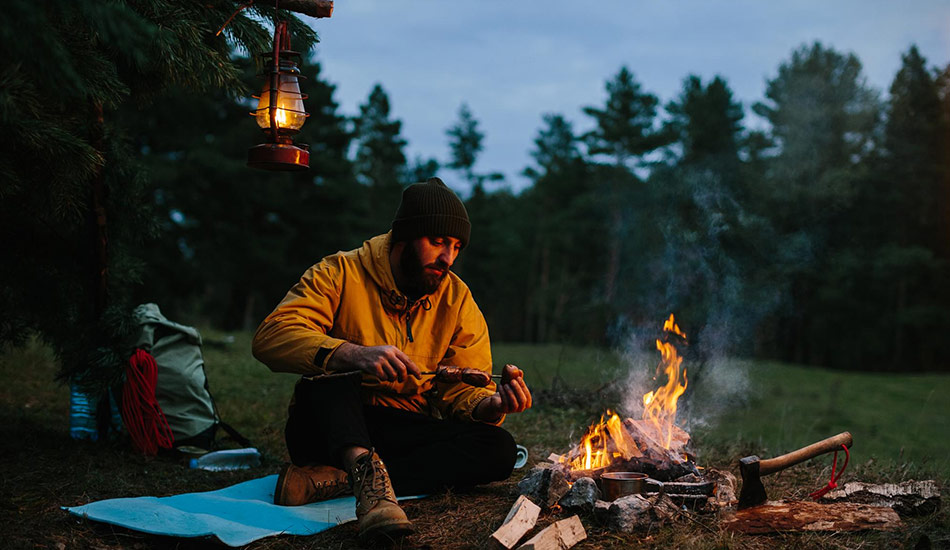 This is one of the most common questions beginners ask, and the confusion is completely understandable. Survival is usually associated with emergency situations — being lost, injured, or suddenly facing harsh conditions where the main goal is to stay alive until help arrives. In these scenarios, decisions are often made under stress, time is limited, and the focus is purely on short-term solutions that increase the chances of rescue.
Bushcraft, on the other hand, takes a very different approach. It is long-term, sustainable, and centered around skill rather than urgency. Instead of reacting to a crisis, bushcraft is about preparation, confidence, and comfort in natural environments. While many survival techniques are rooted in bushcraft knowledge, bushcraft goes deeper by emphasizing technique, patience, and a respectful relationship with nature. Simply put, survival is about enduring a crisis, while bushcraft is about having the competence to never let things turn into one.
The Core Philosophy of Bushcraft
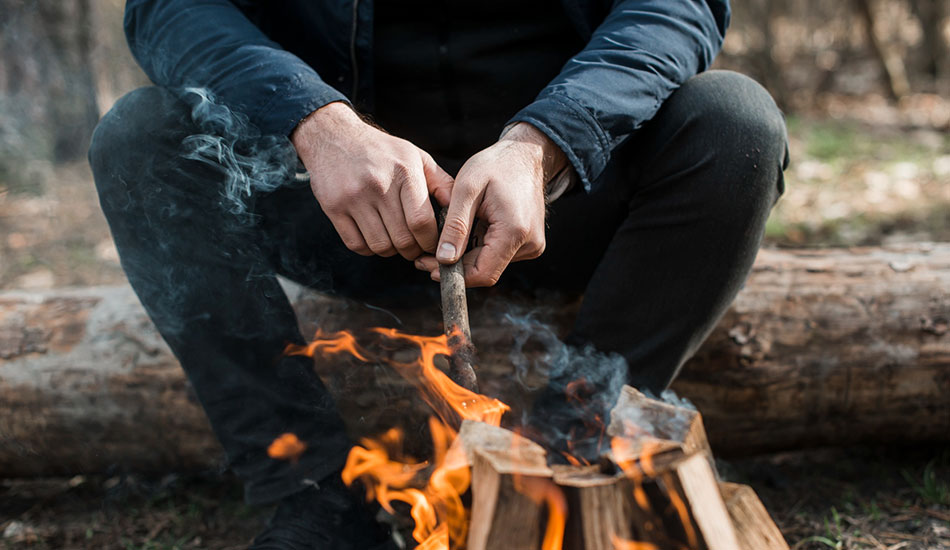
Bushcraft isn’t just about learning outdoor techniques or mastering tools — at its heart, it’s a way of thinking. The core philosophy of bushcraft is built around awareness, restraint, and intentional living in nature. Instead of consuming resources carelessly, bushcraft encourages using only what is truly necessary and understanding the environment before acting. This mindset shifts the focus from domination over nature to cooperation with it.
A central principle within bushcraft philosophy is Leave No Trace, which teaches practitioners how to live in natural spaces without leaving permanent marks behind. This respect for wildlife, ecosystems, and natural balance is what separates bushcraft from reckless outdoor behavior. As a result, bushcraft naturally attracts people who value simplicity, self-reliance, and authenticity — those who want to slow down, reconnect with the natural world, and develop skills that are both practical and meaningful.
Essential Bushcraft Skills for Beginners
When starting bushcraft, it’s easy to feel overwhelmed by the number of skills involved. The truth is, you don’t need to learn everything at once. Bushcraft is built on a small set of core abilities that create safety, comfort, and confidence in the outdoors. By focusing on these essential skills first, beginners can build a strong foundation, practice responsibly, and gradually develop the knowledge needed to live and travel in nature with competence rather than stress.
Fire Making
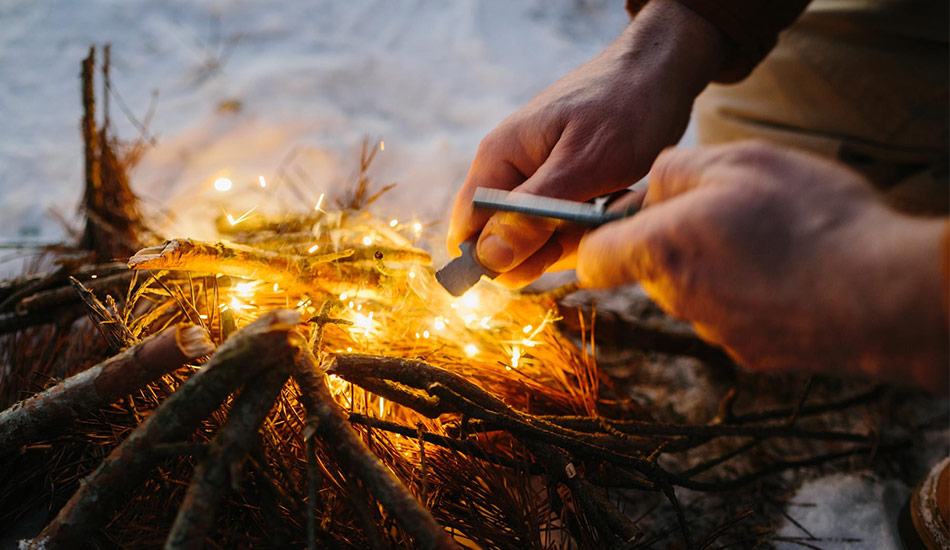
Fire is one of the most important skills in bushcraft, as it affects nearly every aspect of outdoor living. A reliable fire provides warmth in cold conditions, allows you to cook food safely, dry wet clothing, and creates a sense of security in the wilderness. Beyond its practical value, fire also has a strong psychological effect — knowing you can create and maintain a fire reduces stress and builds confidence, especially for beginners spending time outdoors.
Most beginners start by learning controlled and repeatable fire-making methods rather than relying on modern convenience. Tools like a ferro rod teach proper technique, while using natural tinder helps develop awareness of the environment. Practicing fire preparation in wet or windy conditions is especially valuable, as it forces you to think ahead and work methodically instead of rushing.
Common beginner fire-making focuses include:
-
Using a fire steel (ferro rod) effectively
-
Identifying and processing natural tinder
-
Preparing fire lays that work in damp conditions
Learning to make fire without lighters or matches is a turning point for many beginners, as it quickly builds self-reliance and trust in their own skills.
Shelter Building
In bushcraft, shelter is about protection and efficiency rather than appearance. A good shelter keeps you dry, blocks wind, and helps retain body heat, whether it’s a simple tarp setup or a structure made from branches, leaves, and natural debris. Beginners often discover that even the most basic shelters can be highly effective when placed correctly and built with an understanding of the environment.
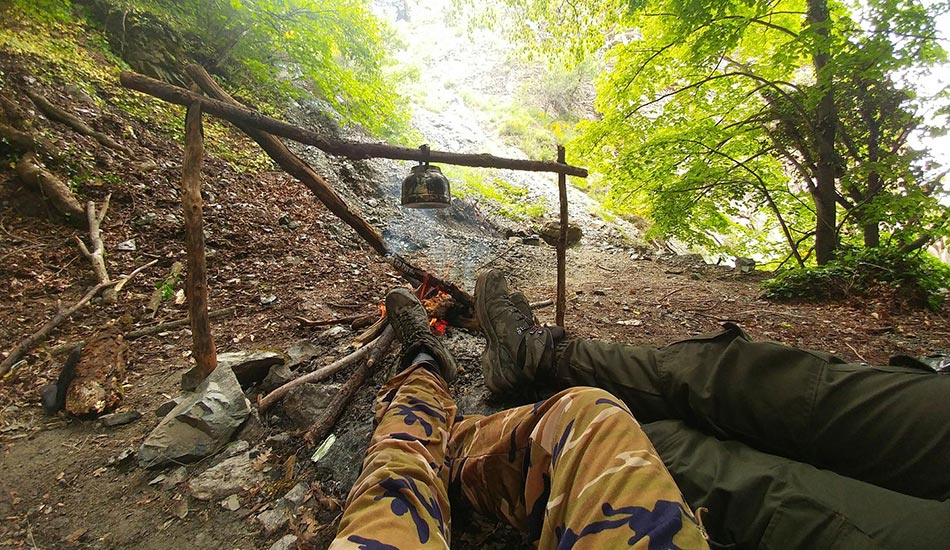
The most important part of shelter building isn’t construction — it’s decision-making. Choosing the right location and working with natural conditions makes a bigger difference than complex designs. A poorly placed shelter will fail regardless of how much effort is put into it.
Key shelter principles include:
-
Careful site selection away from hazards and water runoff
-
Protection from wind and rain using terrain and materials
-
Insulation from the ground to prevent heat loss
In bushcraft, shelter is about staying warm and dry with minimal effort, not building something impressive or permanent.
Knife Skills and Woodcraft
A reliable knife is arguably the most essential tool in bushcraft. Beyond cutting, a knife allows you to create tools, process wood, prepare food, and handle countless small tasks in the wilderness. Learning proper knife techniques is critical for safety and efficiency, especially for beginners who might otherwise rely on brute force or improper handling.
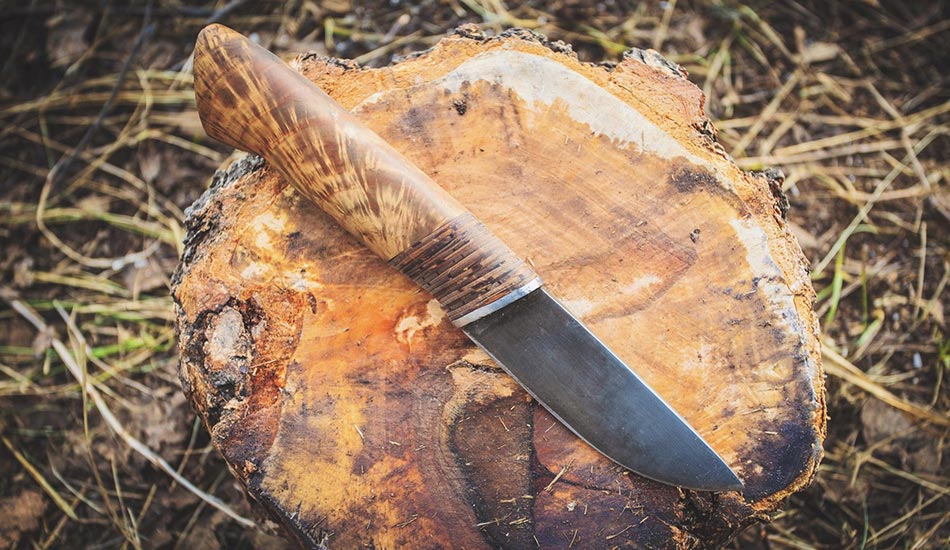 Woodcraft skills complement knife use, teaching you how to manipulate natural materials effectively. The focus is always on control, precision, and safety rather than speed or strength. Developing these skills gradually ensures that your knife becomes an extension of your hands and your confidence grows with every task.
Basic knife skills for beginners include:
-
Making feather sticks for fire starting
-
Notching wood for shelter and tool-making
-
Batoning wood safely to split larger pieces
-
Carving simple tools and utensils
By practicing these techniques, beginners gain dexterity, awareness, and respect for their tools — essential qualities for any bushcrafter.
Water and Food Basics
Water and food are fundamental to survival, but bushcraft approaches them with skill and mindfulness rather than panic. Learning where to find water sources in nature, understanding which streams or ponds are safe, and knowing how to purify water before drinking are all essential skills. Proper water management ensures you stay hydrated and healthy, even in remote environments.
When it comes to food, bushcraft emphasizes simple and sustainable approaches. Cooking over an open fire allows you to prepare basic meals safely, while foraging for wild edibles can supplement your diet. However, beginners should exercise caution and learn to identify safe plants and insects, as mistakes can have serious consequences. The focus is on using natural resources wisely, respecting the environment, and developing practical outdoor skills gradually and safely.
Basic Bushcraft Tools You Actually Need
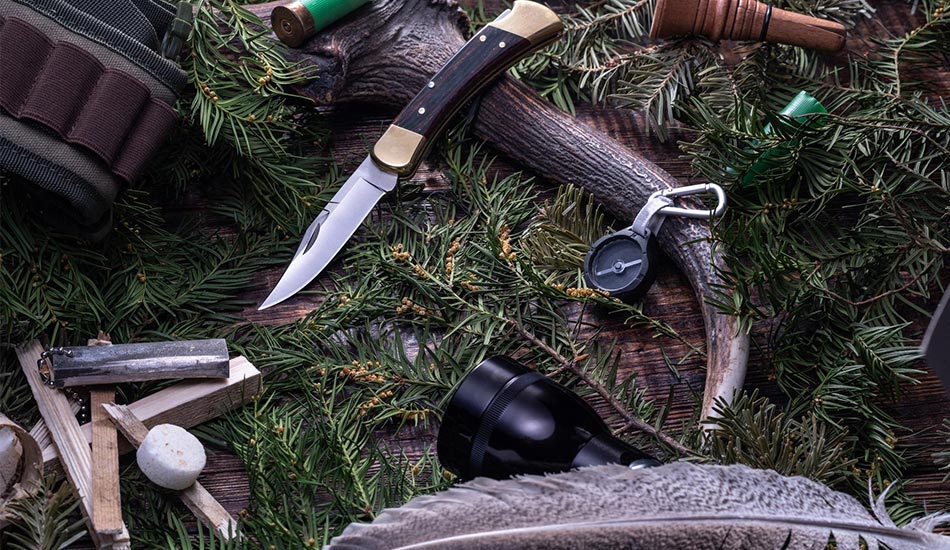
One of the biggest myths about bushcraft is that it requires expensive, high-tech equipment. In reality, bushcraft focuses on skill and knowledge, not brand names or flashy gear. Beginners can practice and gain confidence with a small set of simple, reliable tools that serve multiple purposes in the wilderness.
A few essential tools make a huge difference. A fixed-blade knife is versatile for cutting, carving, and preparing materials. A fire starter, such as a ferro rod, ensures you can create fire even in wet conditions. A simple tarp provides shelter from rain and wind and can be adapted for different setups. Cordage is indispensable for tying, securing shelters, or making improvised tools, while a metal cooking cup allows safe and efficient meal preparation over an open flame.
The focus in bushcraft is always on functionality rather than accumulation of gear. By mastering these basic tools, beginners can handle most challenges they’ll encounter outdoors, develop confidence in their skills, and learn how to work with what nature provides rather than relying on luxury or complicated equipment.
Is Bushcraft Safe and Legal?
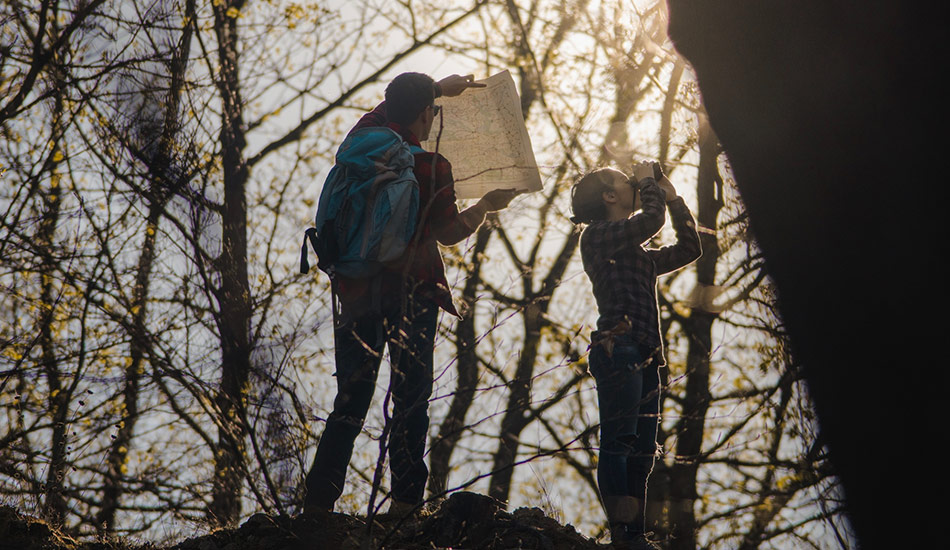
Bushcraft is generally safe when approached responsibly and with proper knowledge. It emphasizes preparation, awareness, and practical skills rather than relying on expensive gear or risky shortcuts. Beginners who take time to learn the basics — such as fire safety, knife handling, and shelter building — can enjoy the outdoors with minimal risk.
However, practicing bushcraft also requires understanding and respecting local laws and regulations. Rules may differ depending on the country or region, so it’s important to research before heading out. Key considerations include:
-
Legal restrictions on open fires, especially during dry seasons
-
Regulations regarding cutting or collecting wood from forests
-
Access permissions for private land or protected areas
Ultimately, safety in bushcraft comes from knowledge, patience, and mindful practice, not from accumulating more tools or gadgets. By respecting both nature and the law, you can fully enjoy bushcraft while minimizing risks.
How to Start Bushcraft as a Beginner
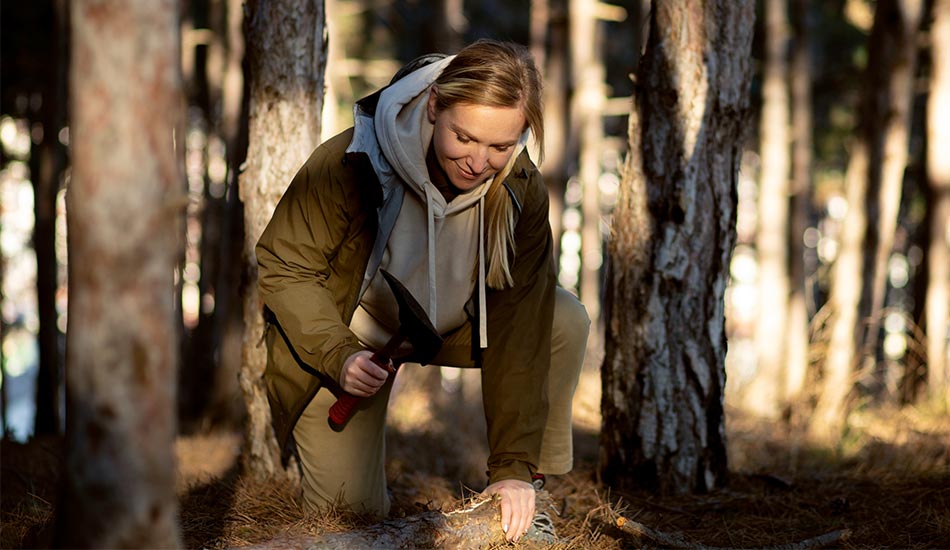
Starting bushcraft can feel overwhelming at first, but the key is to begin small and focus on learning gradually. You don’t need to head into the most remote wilderness immediately; even controlled and safe environments can provide valuable hands-on experience. The goal is to build confidence and understanding step by step, mastering fundamental skills before attempting more challenging situations.
Beginners can practice bushcraft in several practical ways:
-
Camping overnight in controlled environments to apply skills in a safe setting
-
Practicing fire making at home to understand techniques and develop confidence
-
Learning knots and shelter setups using simple materials in your backyard or local parks
-
Watching experienced practitioners through videos, tutorials, or guided sessions to observe proper methods
By starting small and practicing consistently, anyone can develop the knowledge, skills, and mindset needed to enjoy bushcraft safely and effectively.
Why Bushcraft Is Gaining Popularity Worldwide
In today’s fast-paced, digital world, many people are searching for ways to disconnect and find balance. Bushcraft offers a rare opportunity to step away from screens, notifications, and constant noise, allowing individuals to immerse themselves fully in natural environments. The simplicity of bushcraft — relying on basic tools, observation, and skill — provides a refreshing contrast to modern life, helping people reconnect with themselves and their surroundings.
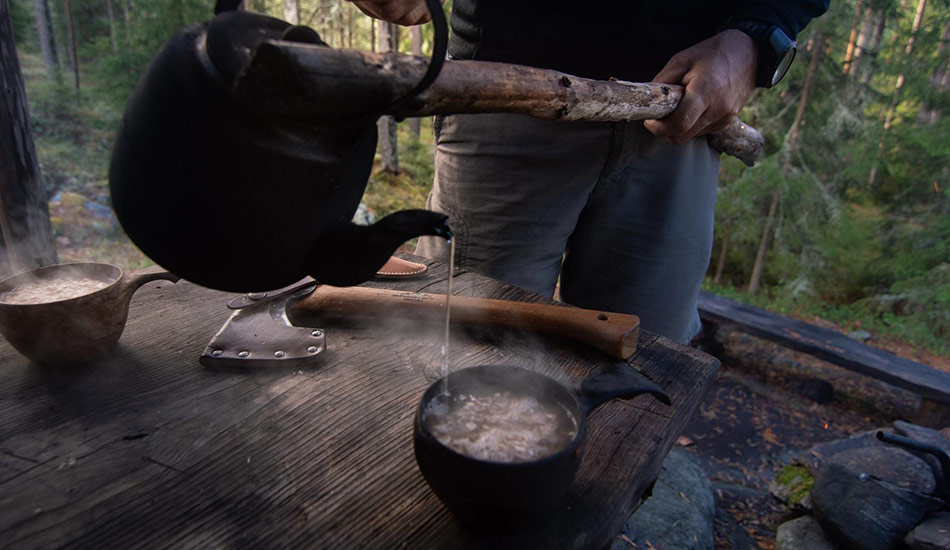
The appeal of bushcraft also lies in its combination of physical and mental challenges. Practitioners engage in hands-on activities like fire making, shelter building, and navigation, which demand focus, patience, and dexterity. These activities not only strengthen the body but also sharpen the mind, offering a form of mindfulness that is difficult to achieve in urban settings. The process of learning and mastering these skills instills confidence and a sense of accomplishment that modern conveniences rarely provide.
Furthermore, bushcraft resonates with people because it reconnects them with basic human abilities that have been largely forgotten. Skills such as reading the environment, foraging, and creating functional tools awaken a sense of self-reliance and authenticity. For many, this return to fundamental, practical knowledge is both empowering and grounding, explaining why bushcraft continues to gain followers across the globe.
Conclusion
Bushcraft is more than just a set of outdoor skills — it’s a mindset that teaches self-reliance, respect for nature, and practical problem-solving. From fire making and shelter building to knife skills and basic survival strategies, the foundation of bushcraft is built on knowledge, experience, and a careful understanding of the natural world. Beginners don’t need expensive gear or remote wilderness to start; with patience and practice, anyone can develop the skills to navigate and enjoy nature confidently.
We’d love to hear from you! Whether you’ve tried bushcraft before or are just starting out, share your experiences, questions, or favorite skills in the comments below. Your insights might inspire others, and together we can build a community of outdoor enthusiasts who value learning, adventure, and connection with nature.